

How to make money with WordPress isn’t just a search trend—it’s the starting point for thousands of real income stories built on simple websites. WordPress still powers a massive portion of the web, and that means opportunity is everywhere if you know how to structure it correctly. The difference between a site that earns and one that sits idle usually comes down to strategy, not complexity.
What makes WordPress powerful is flexibility. You can start with a blog, pivot into affiliate marketing, sell digital products, or offer services—all on the same platform. But most beginners miss one key detail: monetization isn’t a single trick. It’s a system built from traffic, trust, and conversion paths working together.
This guide breaks down how to make money with WordPress in a practical, no-fluff way based on real-world website setups used by freelancers and creators. No theory overload—just methods that actually scale in 2026.
How to Make Money with WordPress: Choosing the Right Monetization Model
Before installing plugins or writing content, you need clarity on the monetization model. Most WordPress income failures happen because people mix too many strategies too early. The smarter move is picking one primary model and letting others support it.
Blogging + Display Ads
Display ads (like Google AdSense or Mediavine) are the most common entry point. You publish content, attract traffic, and earn per impression or click. It sounds simple, but it requires volume. You need consistent traffic, usually from SEO-focused articles targeting long-tail keywords.
Affiliate Marketing
Affiliate marketing turns your content into a recommendation engine. You promote tools, hosting, plugins, or products and earn commissions. This model works especially well in WordPress niches like hosting reviews, plugin comparisons, and tutorials.
Service-Based Monetization
Freelancers often skip content-heavy strategies and go straight to services. WordPress design, maintenance, SEO optimization, and bug fixing are always in demand. One client can outperform months of ad revenue.
Digital Products
Themes, templates, courses, and plugins can be sold directly. Once built, they scale without proportional effort. This is where long-term income stability usually starts.
How to Make Money with WordPress Using Affiliate Marketing
Affiliate marketing is one of the most reliable answers to how to make money with WordPress, especially for beginners. It doesn’t require product creation or customer support. What it does require is structured content that solves real problems.
Picking the Right Niche
The niche decides everything. High-value niches like hosting, SaaS tools, VPNs, and WordPress plugins tend to convert better. The key is balancing search demand with buying intent. If people are searching “best hosting for WordPress,” they’re already close to purchasing.
Content That Actually Converts
Random blog posts don’t work. You need intent-driven content: comparisons, tutorials, and problem-solving guides. A post like “Best WordPress SEO Plugins Compared” performs better than general advice articles because readers are actively deciding.
Internal linking also matters. Connect posts like:
- /wordpress-seo-tips
- /best-wordpress-plugins-2026
This keeps users inside your ecosystem longer, increasing conversions.
Plugins That Support Affiliate Growth
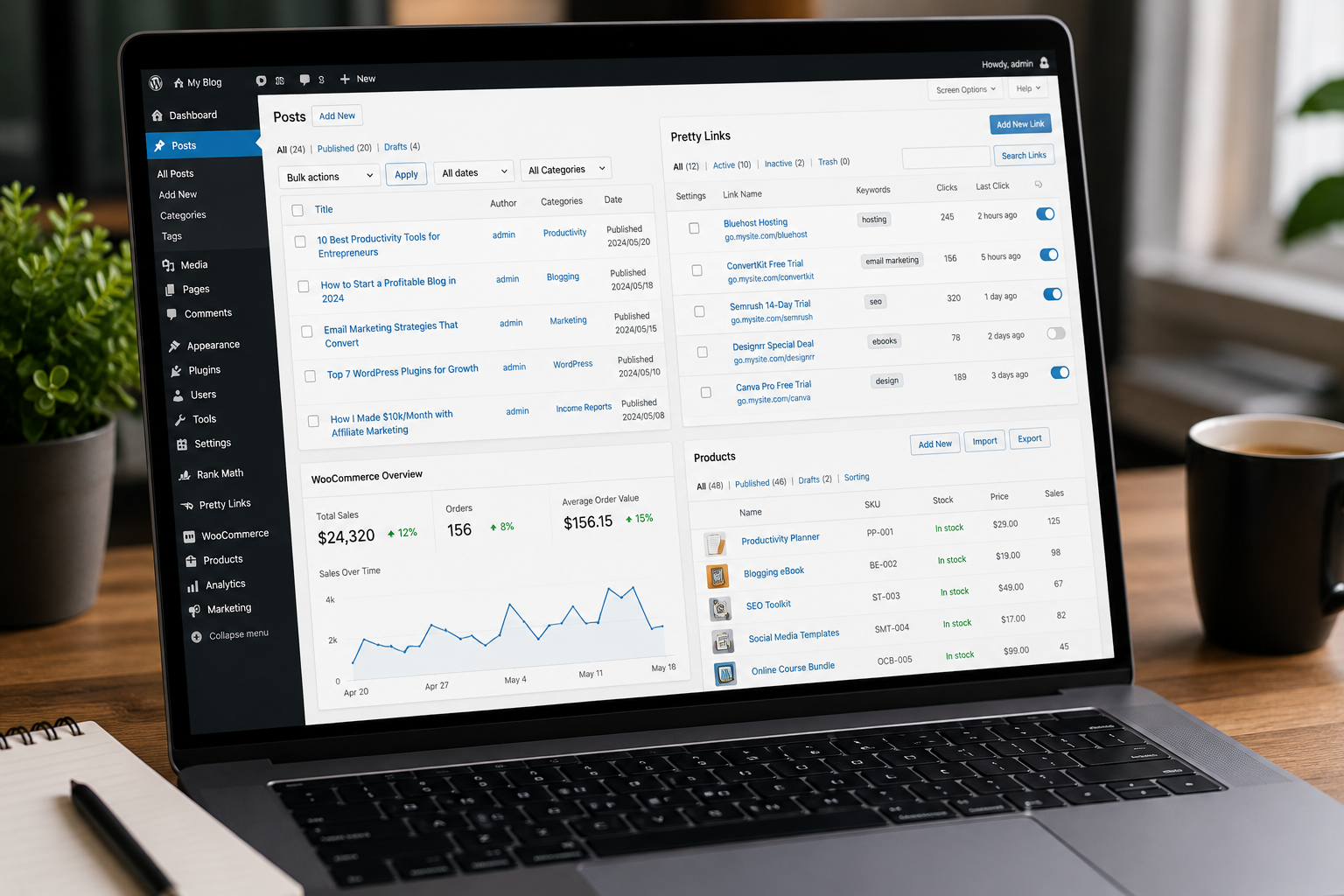
Tools like Rank Math or Pretty Links help manage affiliate links efficiently. Rank Math also improves SEO structure, making your content easier to rank. For reference, WordPress itself recommends SEO best practices at:
https://wordpress.org/support/article/wordpress-seo/
Affiliate success is not about volume alone—it’s about alignment between keyword intent and recommendation quality.
Freelancing and WordPress Services
If content creation feels slow, freelancing is the fastest path in how to make money with WordPress. Businesses constantly need WordPress experts for fixes, redesigns, speed optimization, and security hardening.
Unlike ad revenue, freelancing gives immediate cash flow. A single WordPress speed optimization job can often equal weeks of blog earnings. The demand is also stable because websites break, plugins conflict, and updates introduce issues.
The most profitable services tend to be:
- Website speed optimization
- Malware cleanup
- Full website builds
- SEO setup using tools like Rank Math
- Ongoing maintenance plans
The real advantage here is scalability. Many freelancers start solo and later convert services into agency models by outsourcing repetitive tasks.
Selling Digital Products on WordPress
Digital products represent one of the cleanest answers to how to make money with WordPress because they remove inventory, shipping, and logistics. You build once and sell repeatedly.
Popular digital products include WordPress themes, Elementor templates, niche eBooks, and mini-courses. The key is solving a specific pain point rather than creating generic content.
For example:
- “WooCommerce store starter kit” sells better than “business templates”
- “SEO checklist for WordPress blogs” outperforms general SEO guides
WooCommerce makes this process straightforward. You can combine it with membership plugins to create subscription-based access, increasing recurring revenue potential.
Technical Setup That Directly Impacts Income
Many beginners underestimate how technical setup affects how to make money with WordPress. Slow websites, poor SEO structure, and weak UX kill monetization before it even starts.
Themes and Performance
Choose lightweight themes like Astra or GeneratePress. Avoid overloaded designs that slow down loading speed. Speed is not optional—it directly affects conversions and rankings.
SEO and Rank Math Integration
Plugins like Rank Math help structure metadata, schema, and keyword optimization. Proper SEO setup ensures your monetization content actually gets discovered.
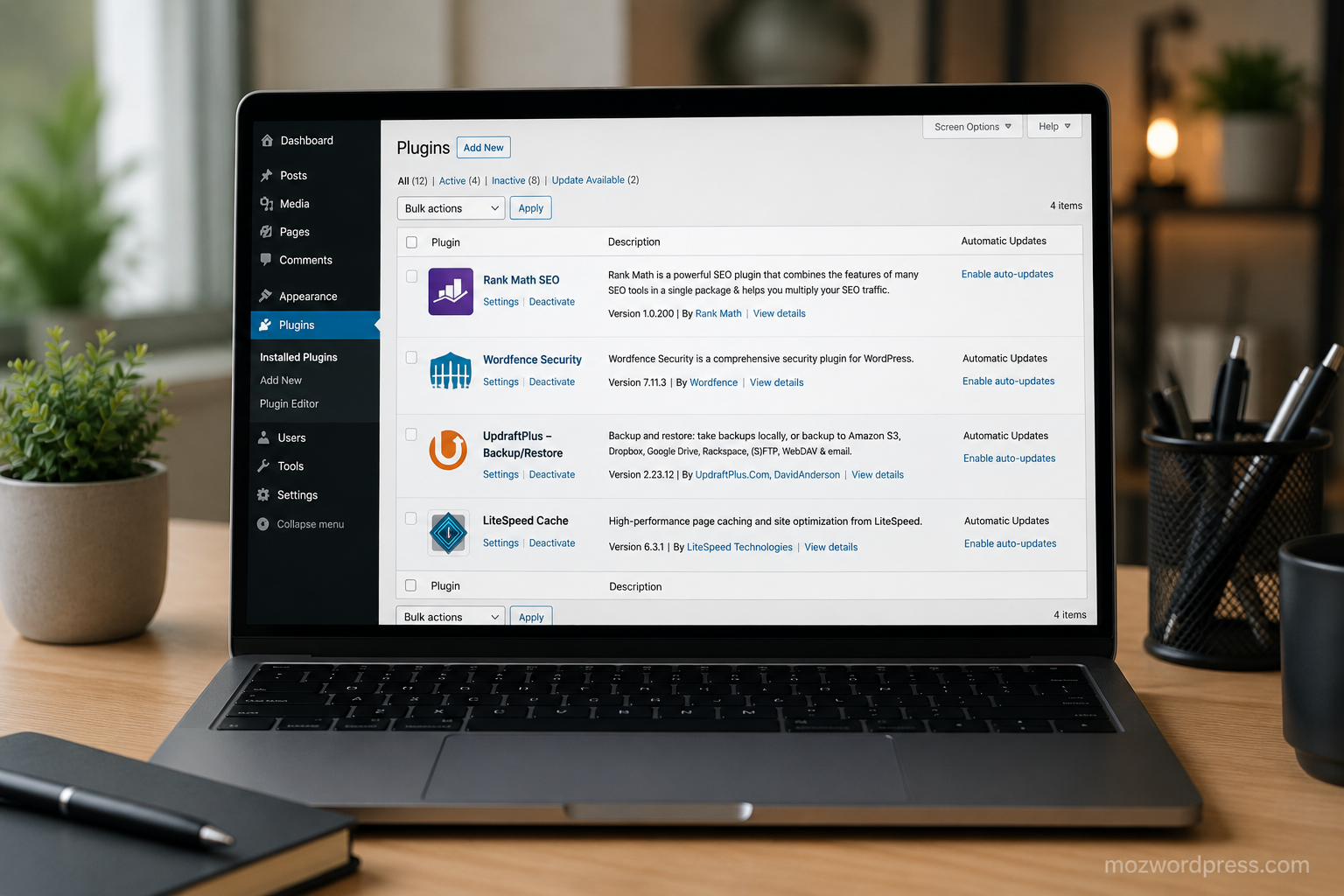
Essential Plugin Stack
A minimal but effective setup usually includes:
- SEO plugin (Rank Math)
- Caching plugin (WP Rocket or LiteSpeed Cache)
- Security plugin
- Affiliate link manager
- Backup system
Internal Monetization Flow
Your site should guide users naturally:
Content → Internal link → Affiliate page or product → Conversion
That structure is what separates hobby blogs from income-generating assets.
Building income with WordPress is not about chasing one “perfect” method. It’s about combining strategy, consistency, and structure. Whether you focus on affiliate marketing, services, or digital products, the foundation remains the same: targeted content, strong SEO, and a site that converts visitors into action.
Most people fail not because WordPress is complicated, but because they skip the system and jump between tactics. Once you align traffic with monetization, the platform becomes less of a blog tool and more of a business engine.

